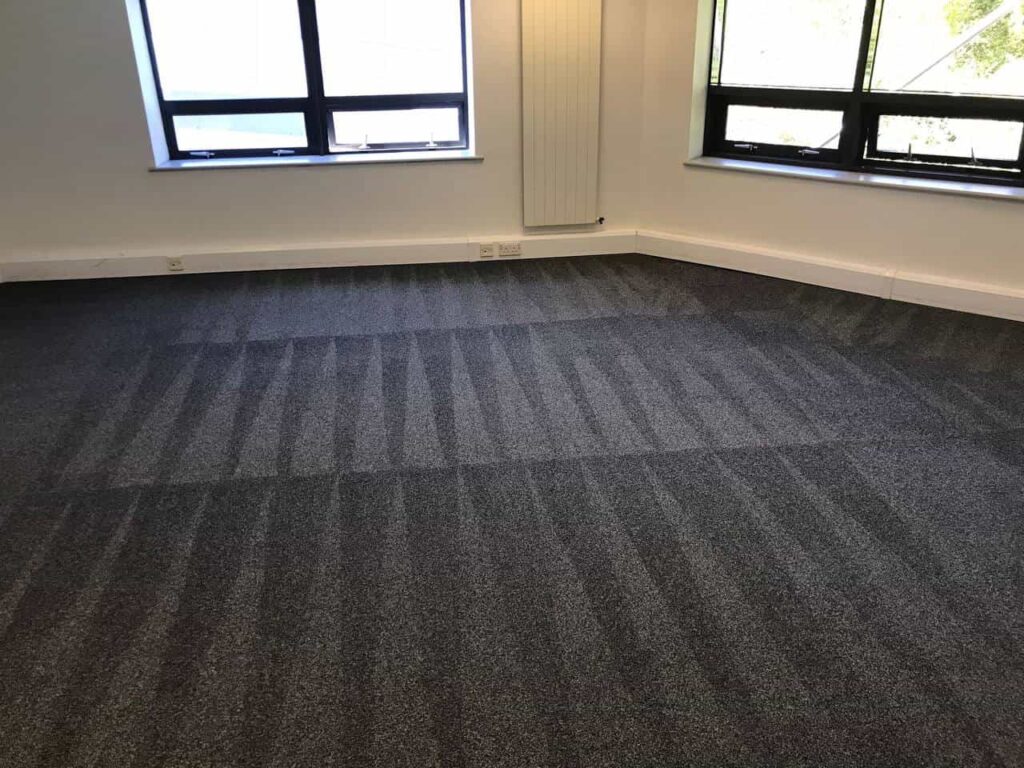
Carpet stains are easiest to manage when they are treated promptly and with a method suited to both the spill and the carpet fibre. Rubbing aggressively or applying unsuitable household products can spread the mark, damage the pile or leave a residue that attracts more dirt.
For households in Hendon, Greater London, the safest starting point is to remove as much of the spill as possible without forcing it deeper into the carpet. Persistent, unidentified or widespread staining is best assessed professionally.
How to Deal with Different Types of Carpet Stains
Before treating any stain, check the carpet manufacturer’s care guidance where available. Wool, synthetic fibres and specialist carpets may respond differently to moisture and cleaning products.
Act Quickly but Avoid Rubbing
Use clean, absorbent white cloths or plain kitchen roll to blot a fresh liquid spill. Work from the outside towards the centre to limit spreading.
Apply gentle pressure and replace the cloth as it absorbs the liquid. Scrubbing should be avoided because it can push contamination deeper into the pile and distort the carpet fibres.
For solid material, lift away as much as possible with a blunt-edged utensil before addressing the remaining mark.
Test Any Cleaning Product First
A cleaning solution should be tested on a small, inconspicuous section of carpet before it is used on the stain. This helps identify possible colour transfer, fading or fibre distortion.
Do not combine different cleaning chemicals. Mixing products can create unwanted reactions, and any remaining residues may make subsequent professional treatment more difficult.
Tea and Coffee Stains
Tea and coffee can quickly penetrate absorbent carpet fibres. Blot the spill immediately and avoid flooding the area with water.
A suitable carpet stain treatment may then be applied according to its instructions. If milk or sugar was present, the residue must also be removed thoroughly because it can contribute to discolouration and unpleasant odours.
Older marks may require professional treatment, particularly when repeated home cleaning has spread the stain.
Red Wine and Coloured Drinks
Coloured drinks should be blotted promptly using clean white cloths. Avoid rubbing or using strongly coloured towels, as dye may transfer onto the carpet.
Products not intended for carpets can alter the original colour while leaving the stain visible. A professional cleaner can assess the carpet fibre and use a targeted process to reduce the mark without unnecessary treatment of the surrounding area.
Food and Grease Marks
Food stains often contain a mixture of oil, colouring and solid particles. Remove any remaining food carefully before treating the affected fibres.
Greasy residues are unlikely to respond fully to water alone. An appropriate carpet-safe product is needed to break down the oily material so it can be extracted. Applying too much product may leave a sticky residue that attracts dirt after the area dries.
Mud and Soil
Unlike many liquid stains, mud is often easier to manage after it has dried. Rubbing wet mud can spread soil across a wider section of carpet.
Once dry, remove as much loose material as possible with a vacuum cleaner. Any remaining discolouration can then be treated using a method suitable for the carpet. Deeply embedded soil may require professional extraction.
Pet Accidents
Pet accidents should be blotted quickly to remove as much moisture as possible. Treating only the visible mark may not resolve the problem because liquid can penetrate the backing or underlay.
Fragranced sprays may temporarily disguise an odour without removing its source. Professional cleaning can target the affected area more thoroughly, although severe contamination beneath the carpet may require additional assessment.
Blood Stains
Blood should be treated with cold rather than hot water, as heat can make protein-based staining more difficult to remove.
Blot gently and avoid oversaturating the carpet. Dried blood or marks on delicate fibres should be handled cautiously because unsuitable treatment can spread the stain or affect the carpet’s appearance.
Ink and Make-Up
Ink, foundation, lipstick and similar products can contain dyes, oils and pigments. Rubbing usually spreads them, while general-purpose cleaners may make the affected area larger.
Blot any transferable material carefully and avoid experimenting with multiple solvents. These stains often benefit from professional attention because the correct treatment depends on the product and carpet fibre involved.
Wax and Chewing Gum
Wax and chewing gum attach themselves to the fibres rather than behaving like liquid stains. Pulling at the material can damage the pile.
The substance needs to be hardened or loosened using a controlled method before being lifted away. Remaining residue may require specialist treatment. Excessive heat should be avoided because it can damage some synthetic carpets or spread melted material.
Why Stains Sometimes Reappear
A stain may seem to disappear while the carpet is damp and return during drying. This can happen when contamination remains deeper in the pile and rises towards the surface.
Marks can also reappear when too much cleaning product has been used. Residue left in the carpet attracts soil, causing the treated patch to darken again. Professional extraction removes both the contaminant and the cleaning solution more thoroughly.
When to Stop Home Treatment
Professional carpet cleaning should be considered when:
- the carpet fibre is unknown or delicate
- the stain covers a large area
- colour is transferring onto the cleaning cloth
- the mark has spread during treatment
- repeated cleaning has not improved it
- an odour remains after the surface has dried
- the carpet feels sticky or stiff
- contamination may have reached the backing or underlay
Continuing to apply products after an unsuccessful attempt can make the stain harder to treat.
What Professional Stain Treatment Involves
A professional cleaner will assess the carpet construction, fibre type, stain and any products already applied. The area can then be pre-treated using an appropriate solution before controlled cleaning and extraction.
Not every stain can be removed completely, particularly where the fibre has been bleached, permanently dyed or physically damaged. A professional assessment provides a realistic indication of the likely result before treatment continues.
Conclusion
The best way to tackle a carpet stain is to act promptly, blot rather than rub and use a treatment suitable for both the spill and the carpet. Avoid excessive moisture, untested products and repeated experimentation.
If a stain in your Hendon, Greater London home is persistent, spreading or accompanied by an odour, Hendon Carpet Cleaning can assess the affected area and recommend an appropriate cleaning method. Contact the team to arrange professional carpet stain treatment.
Call us on: 0203 912 0869
Click here to find out more about Hendon Carpet Cleaning
Click here to complete our contact form and see how we can help with your carpet needs.