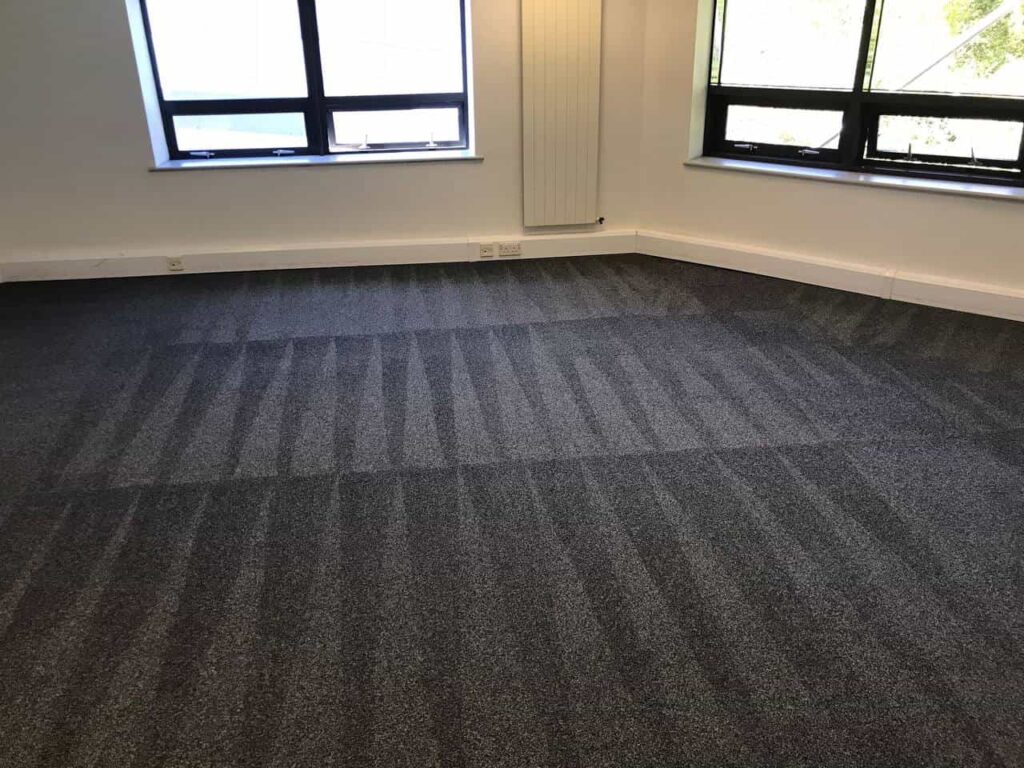
Moving out of a property involves dealing with numerous areas at once, and carpets can be easy to underestimate. Regular vacuuming may remove loose dust and visible debris, but it does not necessarily address the deeper soiling that develops through everyday use. Traffic lanes, small spills, marks around furniture and contamination carried indoors on footwear can gradually affect the appearance of a carpet over the course of a tenancy.
For properties in Hendon, Greater London, professional end of tenancy carpet cleaning provides an opportunity to address this accumulated soiling thoroughly once rooms have been cleared. With furniture and personal belongings removed, the complete carpet can be assessed and cleaned, including areas that may have been inaccessible during routine household maintenance.
Why Can Carpets Benefit From Professional Cleaning at the End of a Tenancy?
Carpets experience continuous use throughout a tenancy. People walk along the same routes, furniture remains in fixed positions and minor marks can accumulate gradually. Because these changes occur slowly, it is not always obvious how much the carpet’s appearance has altered.
Professional cleaning provides deeper treatment than routine vacuuming and can be particularly useful when the property is empty. The carpet can be considered as a complete surface rather than cleaning only the sections that were previously visible around furniture.
Everyday Foot Traffic Gradually Changes Carpet Appearance
The most frequently used parts of a carpet usually change first.
Routes between doorways, seating areas and other frequently visited parts of a room can become noticeably duller than quieter sections. These differences may be relatively subtle while the property is occupied.
Once furniture is removed, traffic patterns can become much easier to see.
Professional carpet cleaning can target these heavily used areas as part of a complete clean rather than focusing exclusively on obvious stains.
Vacuuming and Professional Cleaning Perform Different Roles
Regular vacuuming is an important part of carpet maintenance.
It removes loose dust, crumbs, fibres and other debris before much of this material can accumulate further within the pile. However, some finer contamination can become embedded through repeated foot traffic.
Vacuuming may consequently stop producing a noticeable improvement even when performed thoroughly.
Professional cleaning provides deeper treatment when routine household maintenance is no longer sufficient to address established soiling.
Empty Rooms Reveal Areas That Were Previously Hidden
Large items of furniture can remain in the same position for much of a tenancy.
Sofas, beds, wardrobes, tables and other furnishings protect the carpet beneath them from regular foot traffic. When these items are removed, the difference between protected and exposed carpet can become obvious.
The previously covered sections may look noticeably different from the areas used every day.
Cleaning the complete carpet can help address this uneven appearance and ensures that previously inaccessible areas are not overlooked.
Furniture Positions Can Create Clear Traffic Patterns
Furniture does more than cover parts of the carpet. It also influences where people walk.
A sofa arrangement, for example, can create narrow walking routes between a doorway and seating area. A bed can concentrate foot traffic along particular sides of a bedroom.
Over time, these repeated routes may become visibly darker.
Once a property is empty, professional cleaning can address the full pattern of use rather than attempting to work around existing furniture.
Entrance Areas Can Accumulate Significant Soil
Carpet close to an entrance often receives a particularly high level of contamination.
Fine soil and grit can be carried inside on footwear before being transferred further through the property. Mats can reduce this transfer but cannot prevent it completely.
The result may be a darker area immediately inside the entrance or a gradual traffic lane leading further into the property.
Professional cleaning can address this accumulated contamination alongside the rest of the carpeted area.
Hallways Often Need Particular Attention
Hallways can receive more concentrated foot traffic than many individual rooms.
They connect different parts of a property, meaning occupants repeatedly travel over similar sections of carpet. Soil can consequently become concentrated along the centre or between frequently used doorways.
Because the change happens gradually, occupants may become accustomed to the appearance.
End of tenancy cleaning provides an opportunity to assess the hallway separately and give heavily trafficked areas appropriate attention.
Carpeted Stairs Can Hold Considerable Dirt
Stairs are another area where repeated use becomes concentrated.
People tend to place their feet in similar positions on each tread, causing soil to accumulate within relatively narrow sections. The front edges and corners can also be more difficult to vacuum thoroughly.
Over time, the centre of each tread may become noticeably darker than the less frequently used edges.
Professional stair carpet cleaning can target these areas more thoroughly as part of the end of tenancy process.
Landings Can Develop Their Own Traffic Lanes
A landing may appear relatively small, but it can experience substantial use.
Movement between bedrooms, stairs and other parts of the property can create several overlapping walking routes. These sections can accumulate embedded soil even when no individual stain is present.
Cleaning the landing alongside the staircase can help create a more consistent appearance between connected carpeted areas.
This is particularly useful when both sections have experienced similar levels of use.
Living Room Carpets Often Show Concentrated Wear Patterns
Living rooms usually contain several areas of repeated activity.
The carpet around sofas, chairs, doorways and frequently used routes can become more heavily soiled than the sections beneath furniture.
Small spills may also accumulate during normal everyday use.
When the room is emptied, these differences become easier to identify. Professional cleaning can treat the carpet systematically rather than cleaning only the most noticeable traffic lane.
Dining Areas Can Contain Numerous Small Marks
Where dining areas are carpeted, contamination may develop gradually around tables and chairs.
Food particles, minor drink spills and repeated chair movement can create several small areas of soiling rather than one large obvious stain.
Each individual mark may seem insignificant during the tenancy.
Together, however, they can make the carpet appear noticeably less clean once the furniture has been removed.
Bedrooms Can Still Require Deep Cleaning
Bedrooms may receive less foot traffic than hallways or living spaces, but they should not automatically be assumed to be clean.
The carpet around beds, wardrobes and doorways can still accumulate dust and general household soil. Areas beneath furniture may also have been difficult to access during routine cleaning.
Once the room is empty, the complete carpet becomes available for treatment.
This makes the end of a tenancy a practical time to clean areas that may have received limited attention previously.
Small Spills Can Become More Noticeable Once a Room Is Empty
Furniture, rugs and personal belongings can visually distract from small carpet marks.
After the property has been cleared, individual spots may become much more noticeable because there is nothing else within the room drawing attention away from them.
Professional cleaning allows these marks to be considered alongside the condition of the complete carpet.
The appropriate treatment can then be selected rather than repeatedly applying general household cleaning products without understanding the type of mark involved.
Reappearing Stains May Need More Thorough Treatment
Some carpet marks seem to disappear after household cleaning but become noticeable again later.
This can occur where contamination remains within the carpet or where residues influence how the area attracts subsequent soil.
Repeatedly treating the visible surface may therefore provide limited improvement.
Where a stain has returned several times during a tenancy, professional cleaning can assess the affected section more thoroughly.
Previous Spot-Cleaning Products Can Leave Residue
During a tenancy, it is common for minor spills to be treated with household carpet products.
Some treatments may leave residues if too much product is applied or if the area is not adequately rinsed. These sections can sometimes become sticky or attract further contamination.
The result may be a darker patch that appears to return despite repeated cleaning.
Professional carpet cleaners can take previous treatments into account when assessing affected areas.
Carpet Edges and Corners Can Be Overlooked
Routine vacuuming naturally tends to concentrate on open floor areas.
Edges alongside skirting boards, corners and sections around fixed features can receive less attention unless appropriate attachments are used regularly.
Fine debris can gradually accumulate in these locations.
When rooms are empty, these previously awkward areas become easier to access, allowing the carpet to be treated more comprehensively.
Cleaning an Empty Property Allows Better Access
One of the practical advantages of end of tenancy carpet cleaning is access.
When furniture and belongings have been removed, cleaners can reach the complete carpet without repeatedly working around large obstacles.
This makes it easier to assess differences between high-traffic and protected areas.
It also allows the cleaning process to follow the complete layout of each carpeted room rather than being limited to exposed sections.
General Dullness Can Matter as Much as Individual Stains
A carpet does not need to contain a dramatic stain to benefit from professional cleaning.
General greying or dullness can develop gradually across frequently used areas as fine contamination accumulates within the fibres.
Because this change happens across a relatively large surface, it can be difficult to recognise while living in the property.
Comparing exposed carpet with sections previously beneath furniture can often make the difference much clearer.
Professional Cleaning Can Help Create a More Consistent Appearance
One of the main objectives of professional end of tenancy carpet cleaning is to address accumulated contamination across the entire carpet.
Rather than concentrating only on obvious marks, attention can be given to traffic lanes, edges, entrance areas and general soiling.
This can help create a cleaner and more consistent appearance throughout the property.
The final result will still depend on the condition of the carpet and the nature of any existing marks or wear.
Cleaning and Physical Carpet Wear Are Different
It is important to distinguish between dirt and permanent changes caused by use.
Heavy foot traffic can both soil carpet fibres and physically alter them. Flattened pile, damaged fibres or other forms of wear cannot necessarily be reversed through cleaning.
Professional treatment can remove accumulated contamination, which may make the true condition of the carpet easier to assess.
Realistic assessment is important because not every visible difference is caused solely by dirt.
Professional Cleaning Should Be Based on Carpet Condition
Different carpets can require different approaches.
The carpet construction, level of soiling, location and type of individual marks can all influence the cleaning method used.
This is why professional assessment matters.
Rather than applying the same treatment indiscriminately, the condition of each carpeted area can be considered before cleaning begins.
End of Tenancy Cleaning Can Be Useful After a Long Period of Occupation
The longer a carpet has been in regular use, the more opportunity there has been for soil and small marks to accumulate.
Even where routine vacuuming has been consistent, deeper contamination can gradually develop in frequently used areas.
Professional cleaning at the end of the tenancy provides an opportunity to address this accumulated use before the property moves into its next stage.
It is a practical point at which the rooms are usually clear and the entire carpet can be inspected.
Signs That End of Tenancy Carpet Cleaning May Be Particularly Valuable
Professional cleaning can be especially worthwhile where:
- visible traffic lanes have developed;
- carpets remain dull after thorough vacuuming;
- stair treads have become noticeably darker;
- entrance areas contain established soiling;
- several small stains are visible;
- previous spot-treated areas remain noticeable;
- sections beneath furniture look different from exposed carpet;
- edges and corners contain accumulated dirt;
- the carpet has experienced prolonged regular use;
- emptying the rooms has revealed previously hidden marks.
These signs can help identify where deeper cleaning is likely to provide the greatest benefit.
Why Leaving Carpet Cleaning Until the Property Is Empty Can Be Practical
Cleaning carpets while rooms remain fully furnished can restrict access to substantial sections.
At the end of a tenancy, much of this obstruction has been removed.
This creates a useful opportunity to treat the carpet comprehensively and inspect areas that have remained covered for long periods.
It can also reduce the likelihood of discovering hidden marks only after the rest of the property has already been prepared.
Why Professional Carpet Cleaning Makes a Difference
Professional carpet cleaning is valuable because it goes beyond removing loose surface debris.
The carpet can be assessed for general soiling, traffic patterns, established marks and areas where previous cleaning has produced limited results. Appropriate treatment can then be applied according to the carpet’s actual condition.
At the end of a tenancy, this thorough approach is particularly useful because the entire surface is often accessible.
Rather than concentrating only on the most visible stain, the objective is to clean the carpet systematically.
End of Tenancy Carpet Cleaning in Hendon, Greater London
At Hendon Carpet Cleaning, we understand how much everyday use carpets can experience over the course of a tenancy.
Hallways, stairs, entrances, living areas and other frequently used sections can gradually accumulate contamination that routine vacuuming does not completely remove. Once furniture and belongings have been cleared, these differences can become considerably more noticeable.
For properties in Hendon, Greater London, professional end of tenancy carpet cleaning provides an opportunity to treat heavily used and previously inaccessible areas thoroughly, based on the condition of the individual carpets.
Conclusion
Professional carpet cleaning is particularly valuable at the end of a tenancy because it addresses the deeper and more widespread soiling that can develop through everyday occupation. Traffic lanes, entrance areas, carpeted stairs, small spills and sections around furniture can all become noticeably different from quieter or previously covered areas.
Once the property is empty, the complete carpet is easier to assess and clean. This allows attention to be given not only to obvious stains but also to general dullness, edges, corners and established traffic patterns.
Professional cleaning cannot reverse every form of physical carpet wear, but it can remove accumulated contamination and help restore a cleaner, more consistent overall appearance.
If carpets at a property in Hendon, Greater London require attention at the end of a tenancy, contact Hendon Carpet Cleaning. We can assess the carpeted areas and provide professional cleaning appropriate to their condition and level of use.
Call us on: 0203 912 0869
Click here to find out more about Hendon Carpet Cleaning
Click here to complete our contact form and see how we can help with your carpet needs.